


Traveling by train is one of the easiest, fastest, and most enjoyable ways to explore Italy. The country has an extensive railway network connecting major cities, smaller towns, airports, and popular tourist destinations. Whether you are traveling from Rome to Florence, Milan to Venice, or Naples to the Amalfi Coast, trains are often more convenient than driving or flying.
This guide covers the most important things you need to know about train travel in Italy, including train types, major operators, tickets, seat reservations, stations, luggage, and practical tips.
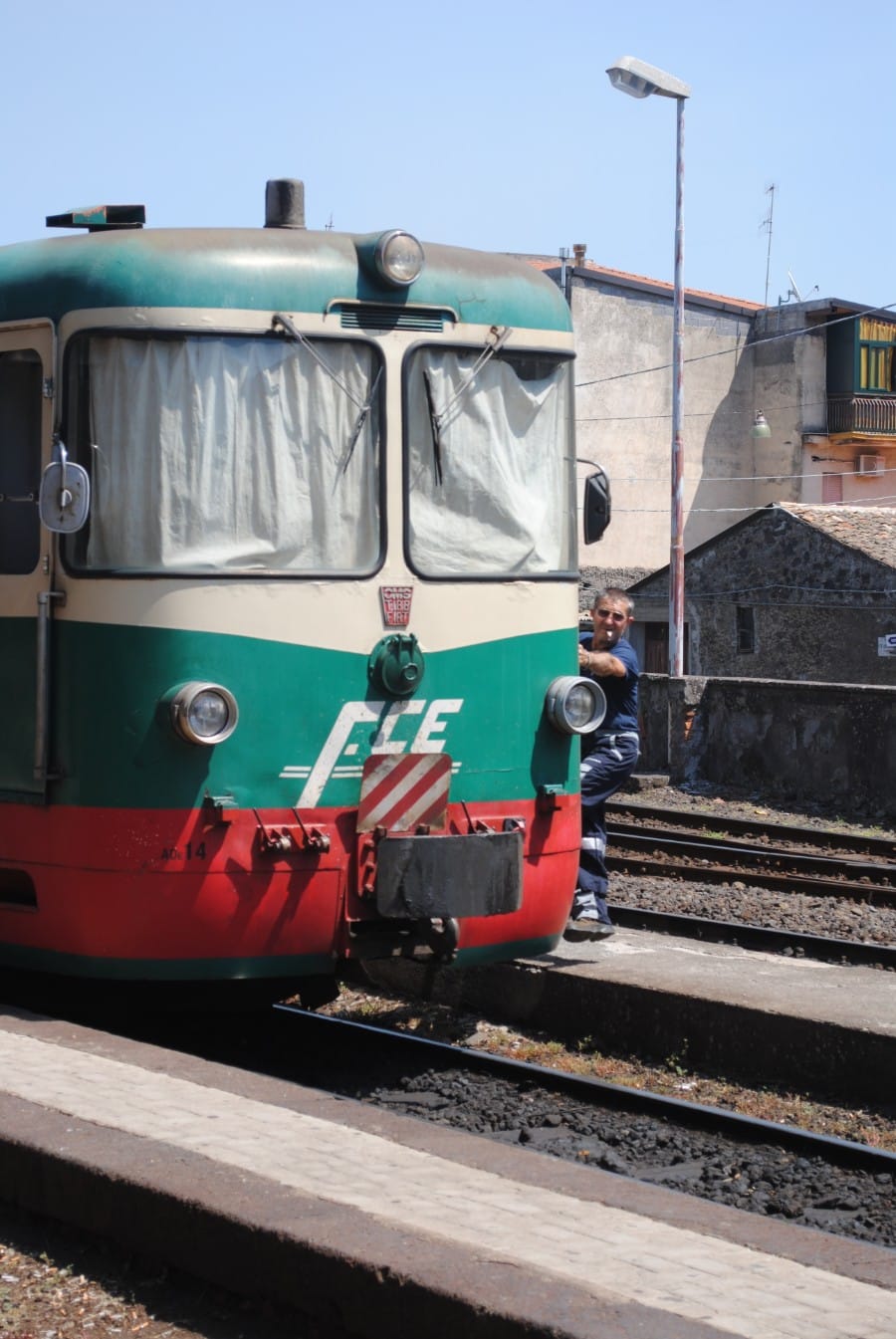
1. Main Train Operators in Italy
Italy has several railway operators, but the two most important for long-distance travelers are Trenitalia and Italo.
Trenitalia is Italy’s national railway operator. It runs high-speed trains, intercity services, regional trains, and many local connections throughout the country.
Its flagship high-speed service is Frecciarossa, which connects major cities such as Turin, Milan, Bologna, Florence, Rome, Naples, and Salerno. Some Frecciarossa services also operate to destinations such as Venice, Verona, and other major Italian cities.
Italo is a private high-speed railway operator. It competes with Trenitalia on many popular routes, including Milan–Rome, Rome–Florence, Milan–Venice, and Rome–Naples.
For travelers, this competition is useful because it means there are often multiple departure times and different fare options on the same route.
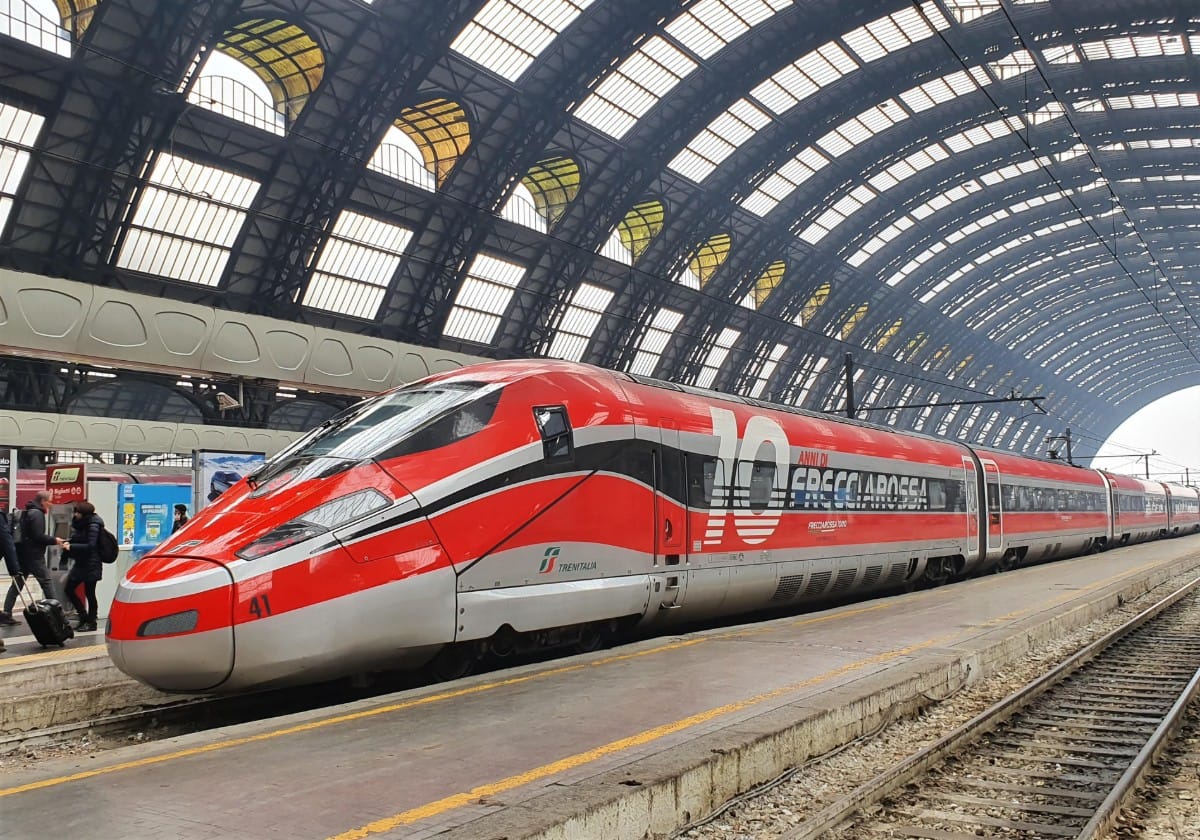
2. High-Speed Trains in Italy
High-speed trains are the best choice when traveling between major cities.
For example, a high-speed train can take you from Rome to Florence in around 1 hour and 30 minutes, while Rome to Milan usually takes approximately 3 hours.
Popular high-speed routes include:
- Rome to Florence
- Rome to Milan
- Rome to Naples
- Milan to Florence
- Milan to Venice
- Florence to Venice
- Bologna to Rome
- Turin to Milan
High-speed trains are comfortable and usually include air conditioning, power outlets, luggage space, and onboard Wi-Fi on many services.
Seats are reserved automatically when you book, so you will have a specific carriage and seat number.
 tollak.vold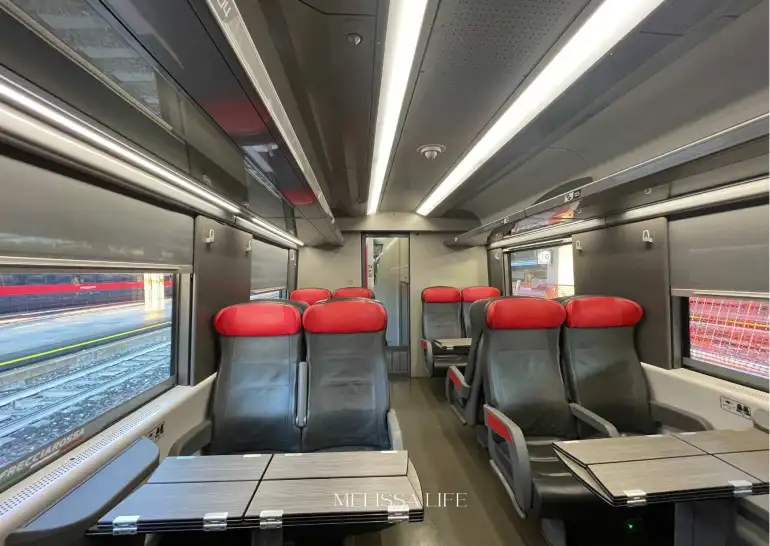
uhuhh
55
5t5t
g6g6g
g6g6
3. Regional Trains
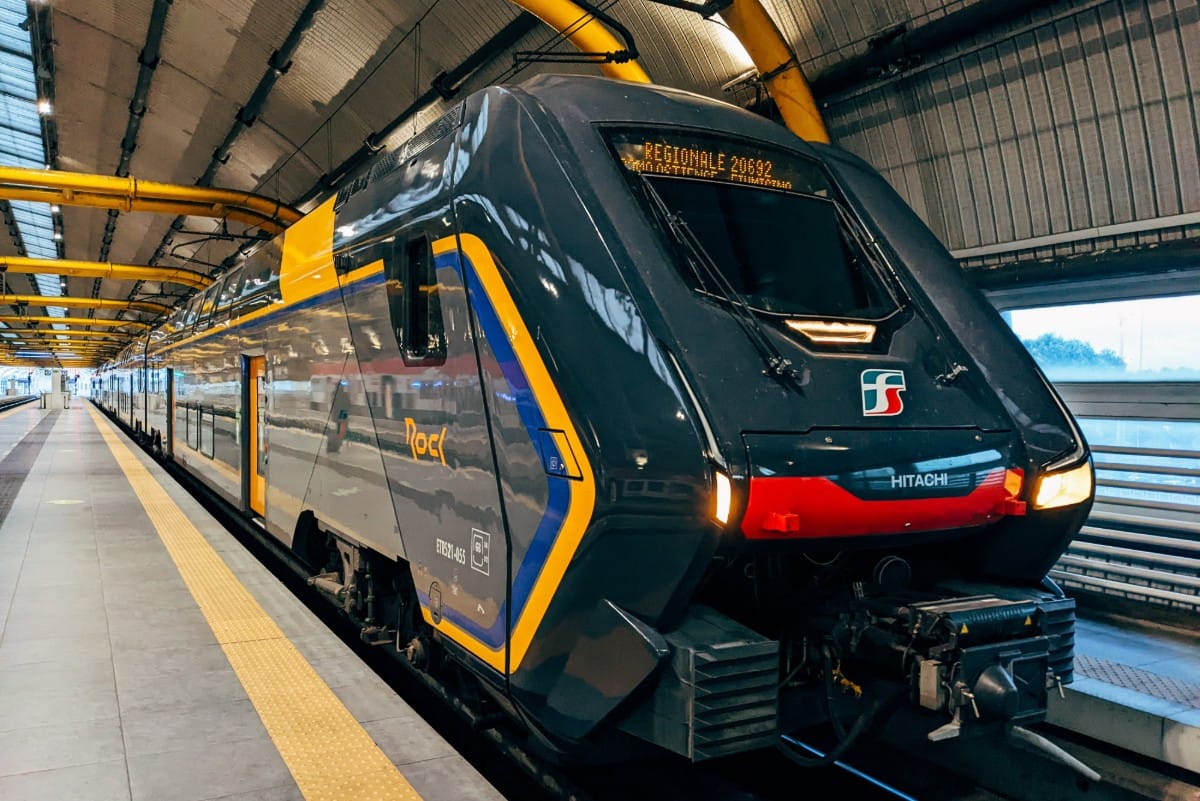
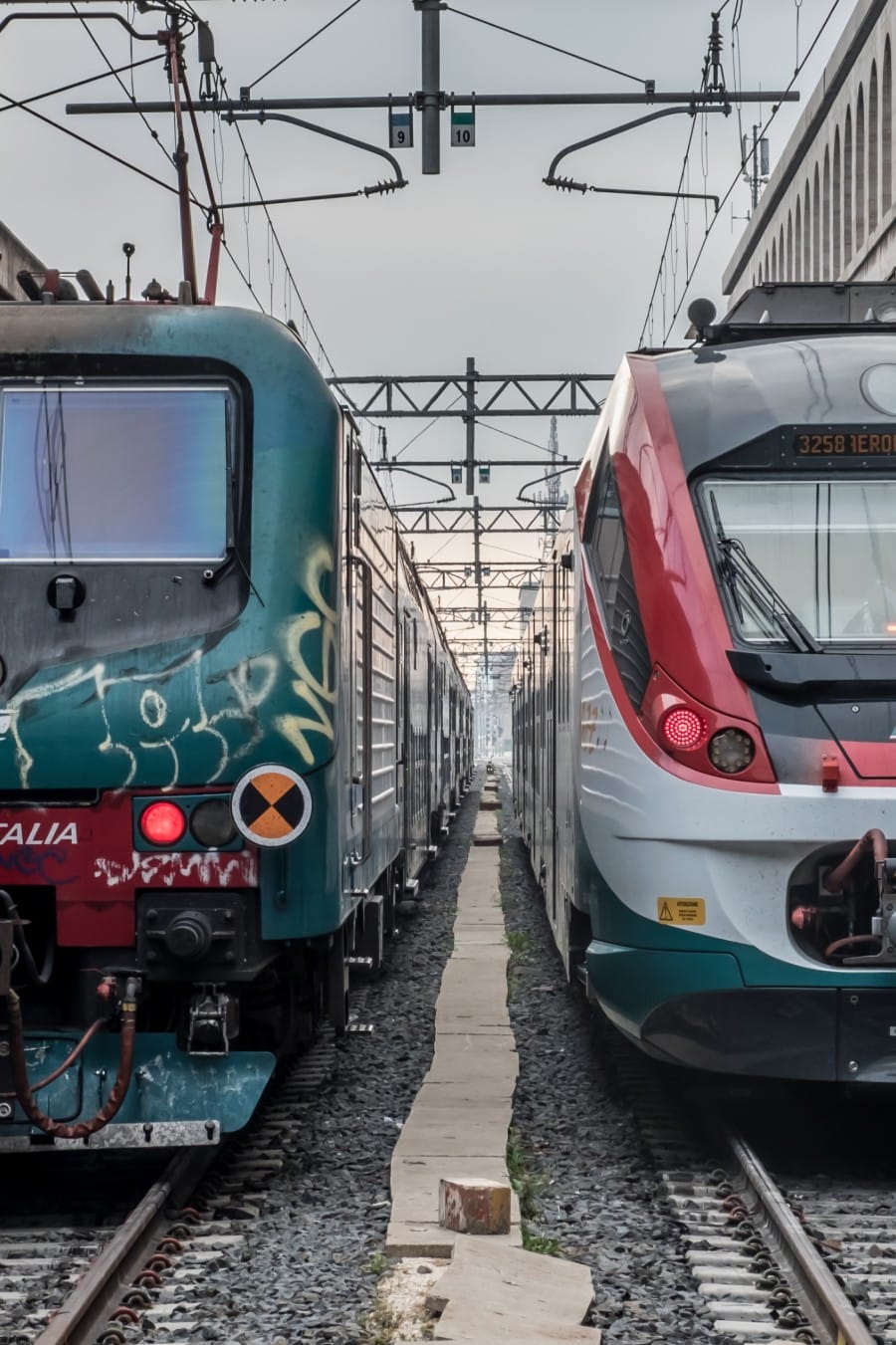
Regional trains are extremely important when exploring smaller cities and towns.
They are commonly used for routes such as Florence to Pisa, Florence to Lucca, Bologna to Modena, Milan to Lake Como, and Naples to nearby destinations.
Regional trains are generally slower than high-speed trains and make more stops, but tickets are usually much cheaper.
Unlike high-speed trains, some regional services do not have assigned seats. You simply board the train and choose any available seat in the correct class.
Digital regional tickets may have specific check-in or activation requirements depending on how and where they are purchased, so always check the ticket instructions before traveling.
4. When Should You Book Train Tickets?
For high-speed trains, booking in advance is usually a good idea.
Prices can increase as the departure date approaches, especially on popular routes and during busy travel periods. If you already know your itinerary, booking several weeks in advance can often help you find better fares.
However, the cheapest tickets usually have stricter conditions. They may be non-refundable or allow only limited changes.
Flexible tickets cost more but can be useful if your travel plans might change.
Regional train prices are generally more stable, so there is usually less need to book far in advance.
5. Understanding Italian Train Stations
Major Italian railway stations are usually located close to city centers, which is one of the biggest advantages of train travel.
Important stations include:
Roma Termini – Rome’s main railway station.
Milano Centrale – Milan’s main station and one of the largest railway stations in Italy.
Firenze Santa Maria Novella – Florence’s central station, within walking distance of many major attractions.
Venezia Santa Lucia – The main station on Venice island.
Napoli Centrale – Naples’ main railway station.
Bologna Centrale – A major railway hub connecting northern and central Italy.
When searching for tickets, pay close attention to the station name. Large cities may have several railway stations.
For example, Milan has Milano Centrale, Milano Porta Garibaldi, Milano Rogoredo, and other stations. Rome has Roma Termini, Roma Tiburtina, and several smaller stations.
Choosing the wrong station can make your journey less convenient.
6. How to Read the Departure Board
Italian railway stations display departure information on electronic boards.
Look for your train number rather than relying only on the destination.
The board normally shows:
- Train number
- Final destination
- Departure time
- Delay information
- Platform number
The final destination displayed on the board may be different from your own destination because your station might be an intermediate stop.
For example, if you are traveling from Florence to Bologna, your train may continue to Milan. The departure board may therefore show “Milano Centrale” rather than Bologna.
Always match the train number on your ticket with the train number on the departure board.
7. Platforms and Boarding
In Italian, the word for platform is binario.
Platform numbers are sometimes announced only shortly before departure, particularly at larger stations.
Once your platform appears on the departure board, follow the signs to the correct binario.
For high-speed trains, your ticket will normally show a carriage number, called carrozza, and a seat number, called posto.
When the train arrives, look for the carriage number displayed near the train doors or on the outside of the carriage.
Boarding usually closes very close to the scheduled departure time, so arriving at the station at least 15–20 minutes early is recommended.
8. Do You Need to Validate Your Ticket?
This depends on the type of ticket.
High-speed and Intercity tickets with a specific train, departure time, and reserved seat generally do not require traditional paper validation.
Regional tickets can have different rules depending on whether they are paper or digital.
Some paper regional tickets may need to be validated before boarding using a machine at the station. Digital tickets may instead require an online check-in or activation process.
Always follow the instructions shown on your ticket.
If you are unsure, ask station staff before boarding.
9. Luggage on Italian Trains
Italian trains are generally convenient for travelers carrying luggage.
There is usually no airline-style baggage check-in process. You carry your luggage onto the train yourself.
Smaller bags can normally be stored above your seat, while larger suitcases can be placed in luggage racks near the carriage entrances or in designated storage areas.
Keep valuable items such as passports, wallets, phones, and laptops with you.
At busy stations and on crowded trains, always keep an eye on your luggage.
10. First Class or Second Class?
For most travelers, second class is perfectly comfortable.
High-speed trains often offer several different service levels rather than simply first and second class.
More expensive classes may provide larger seats, more space, quieter environments, complimentary drinks or snacks, and access to station lounges depending on the operator and ticket type.
For short journeys, the difference may not be important. For longer trips, paying extra for additional comfort can be worthwhile.
11. What Happens If Your Train Is Delayed?
Delays can happen, so check the live departure information at the station or through your booking platform.
If you have separate tickets for connecting trains, be careful when planning short connections.
When possible, leave enough transfer time, especially at large stations such as Roma Termini, Milano Centrale, Bologna Centrale, and Napoli Centrale.
Passenger rights and compensation rules depend on the train operator, ticket type, length of delay, and specific circumstances.
If a major delay affects your journey, keep your ticket and check the operator’s official information regarding refunds, compensation, or alternative transportation.
12. Best Tips for Traveling by Train in Italy
Train travel in Italy is relatively simple once you understand the basics.
Book high-speed trains early if you want cheaper fares. Double-check both your departure and arrival stations. Arrive at the station around 15–20 minutes before departure. Follow the train number on the departure board instead of looking only at the destination.
Most importantly, read the conditions attached to your ticket. Different fares can have very different change and refund rules.
For travelers visiting several Italian cities, the train is often the most practical option. You can travel directly from one city center to another without airport security, long check-in procedures, or the difficulty of driving and parking in historic city centers.
From Rome and Florence to Venice, Milan, Naples, Bologna, and beyond, Italy’s railway network makes it possible to explore a large part of the country comfortably and efficiently.
With a little preparation, traveling by train in Italy can become one of the easiest parts of your Italian journey.